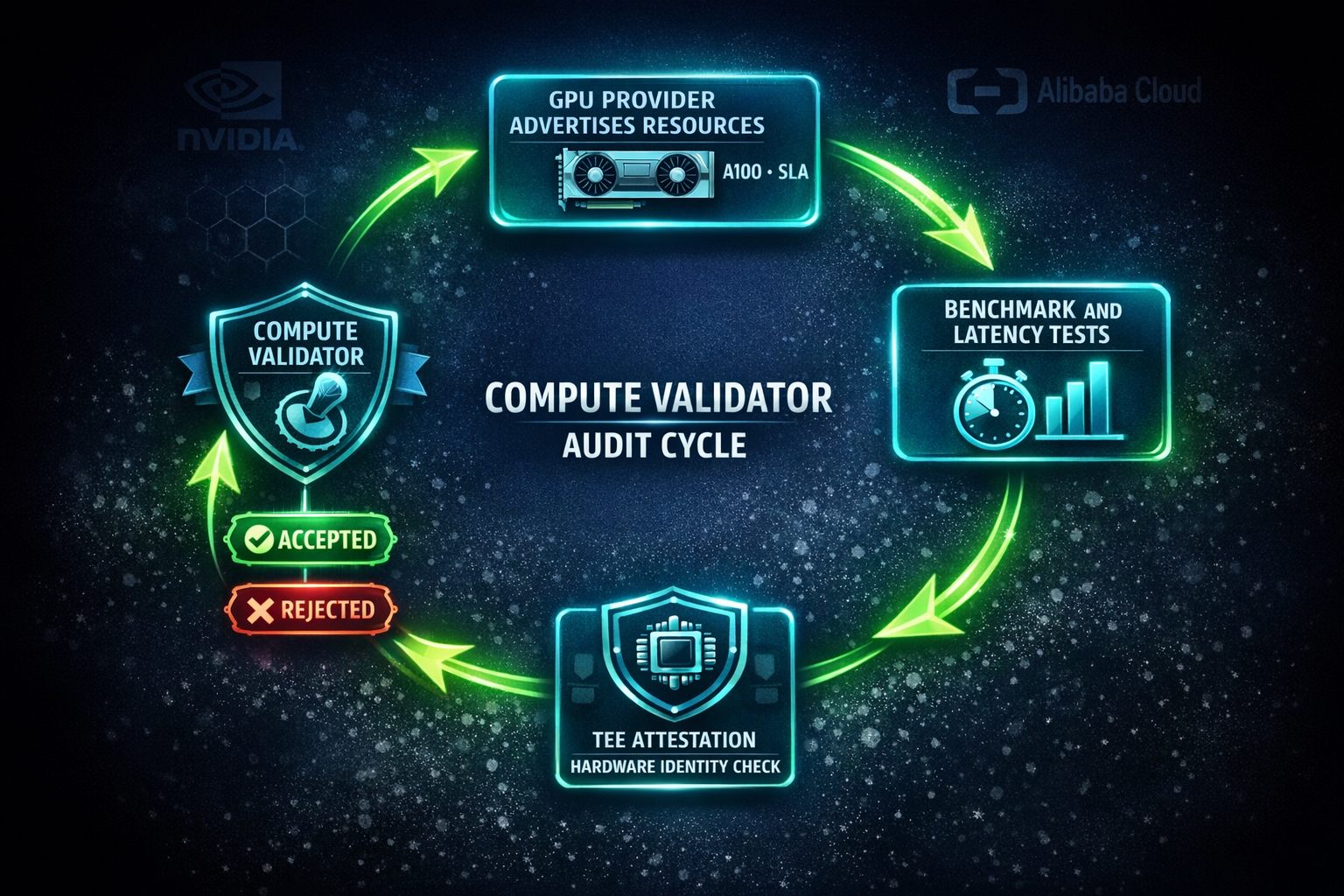
Most blockchain projects that claim to be "AI chains" are really just smart contract platforms with a chatbot bolted on top. They process AI workloads the same way they process token swaps — through a single validator set that has no idea whether a model ran correctly, whether the GPU it ran on was actually an H100 or a repurposed gaming rig, or whether the training data was tampered with before inference.
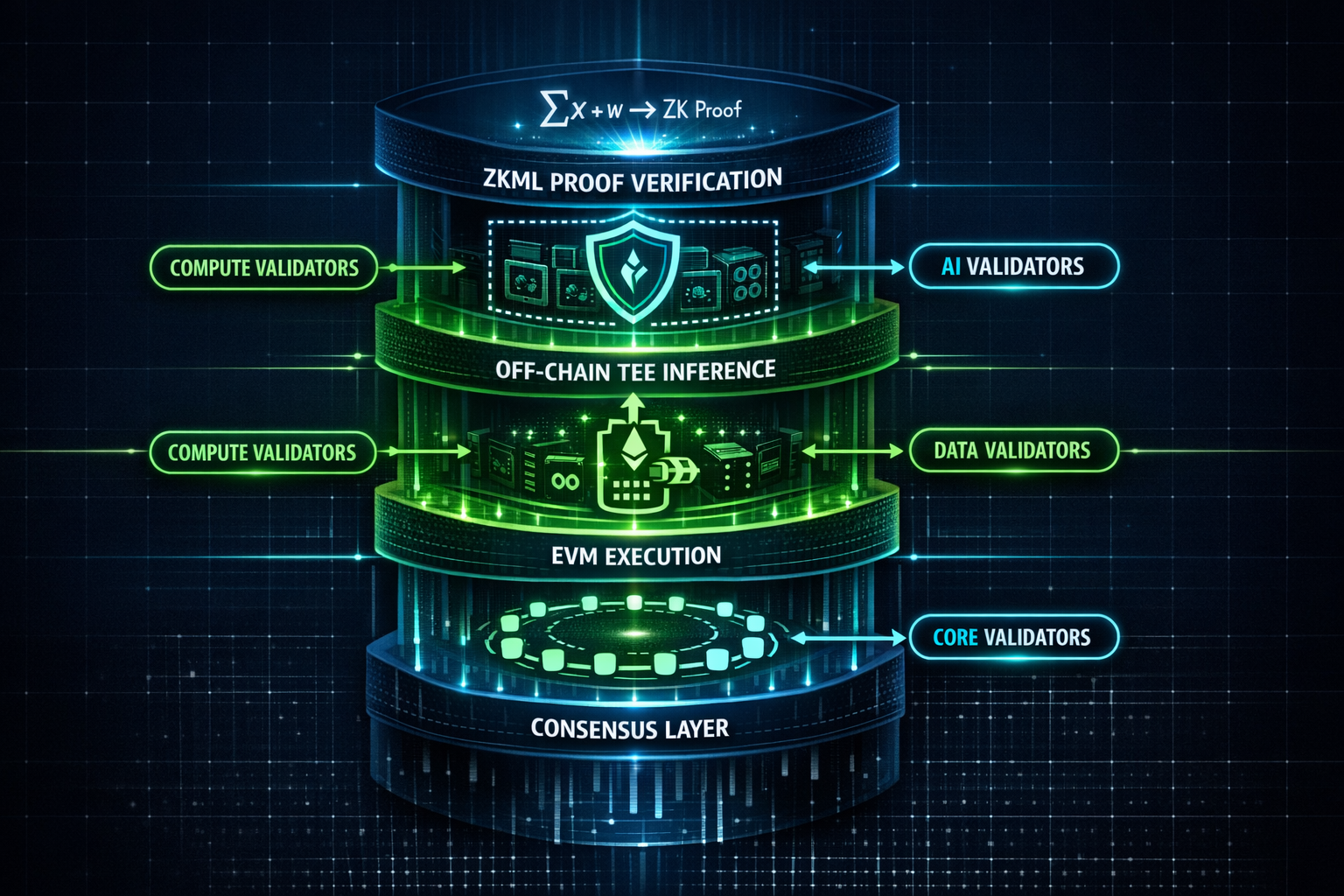
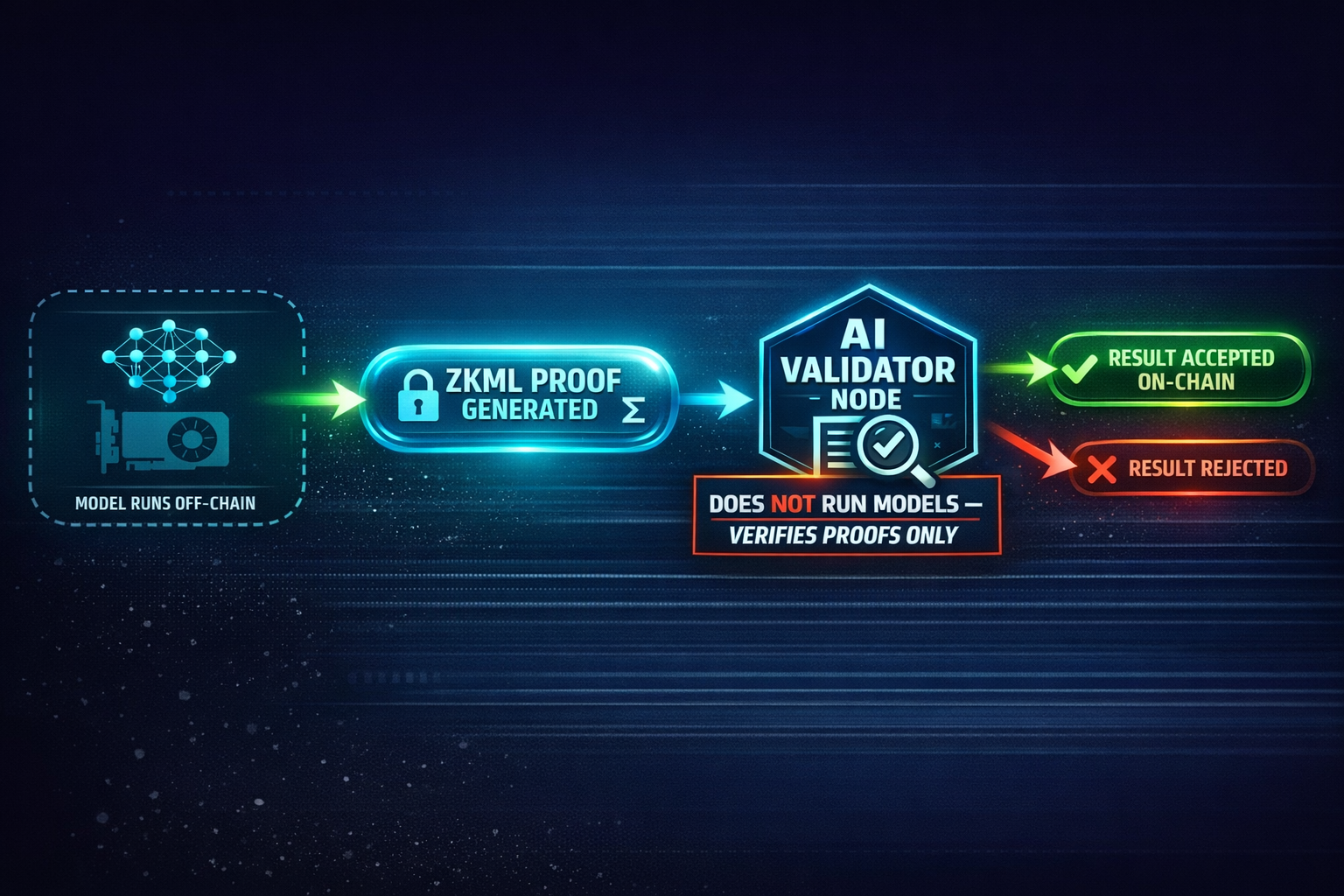
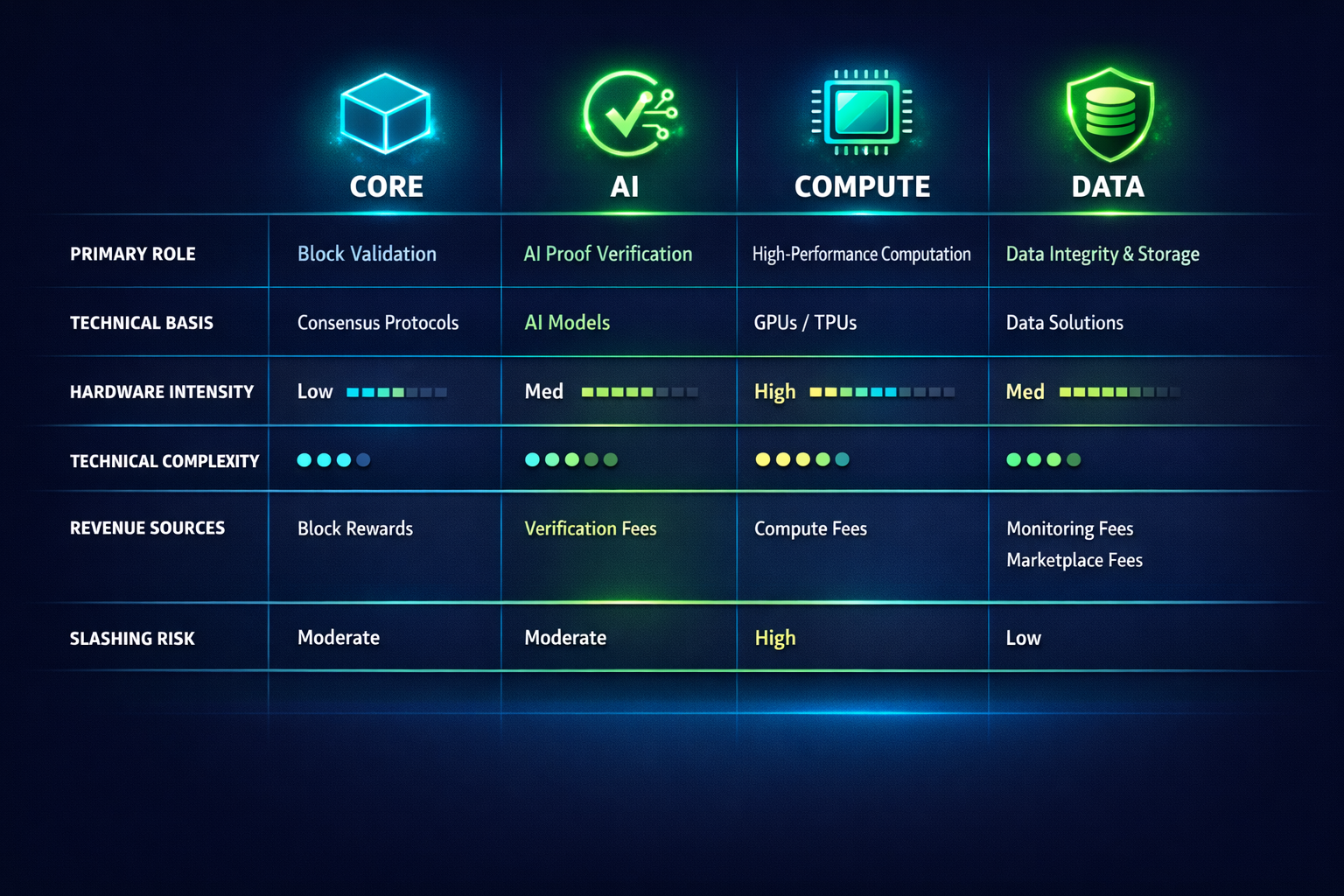
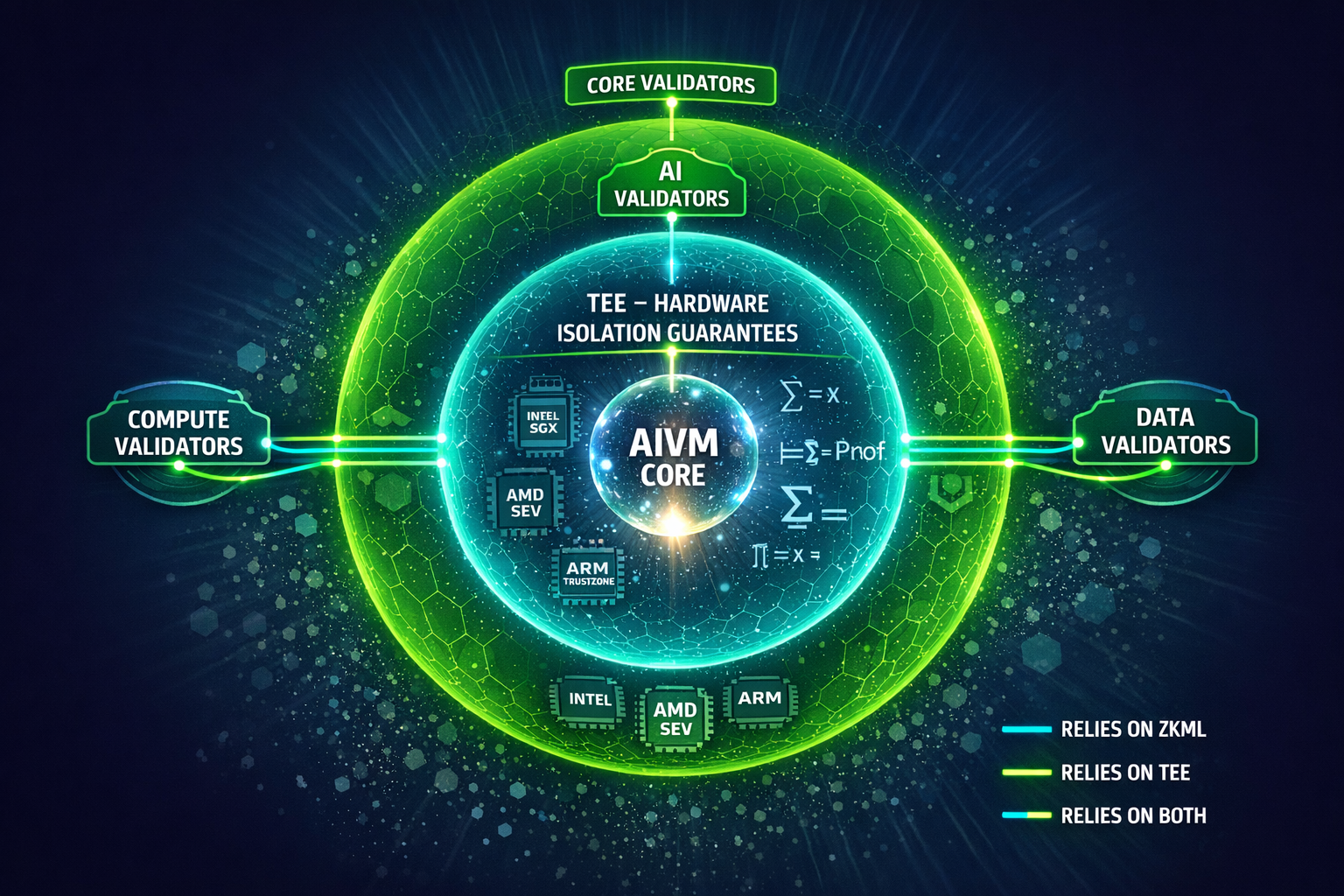
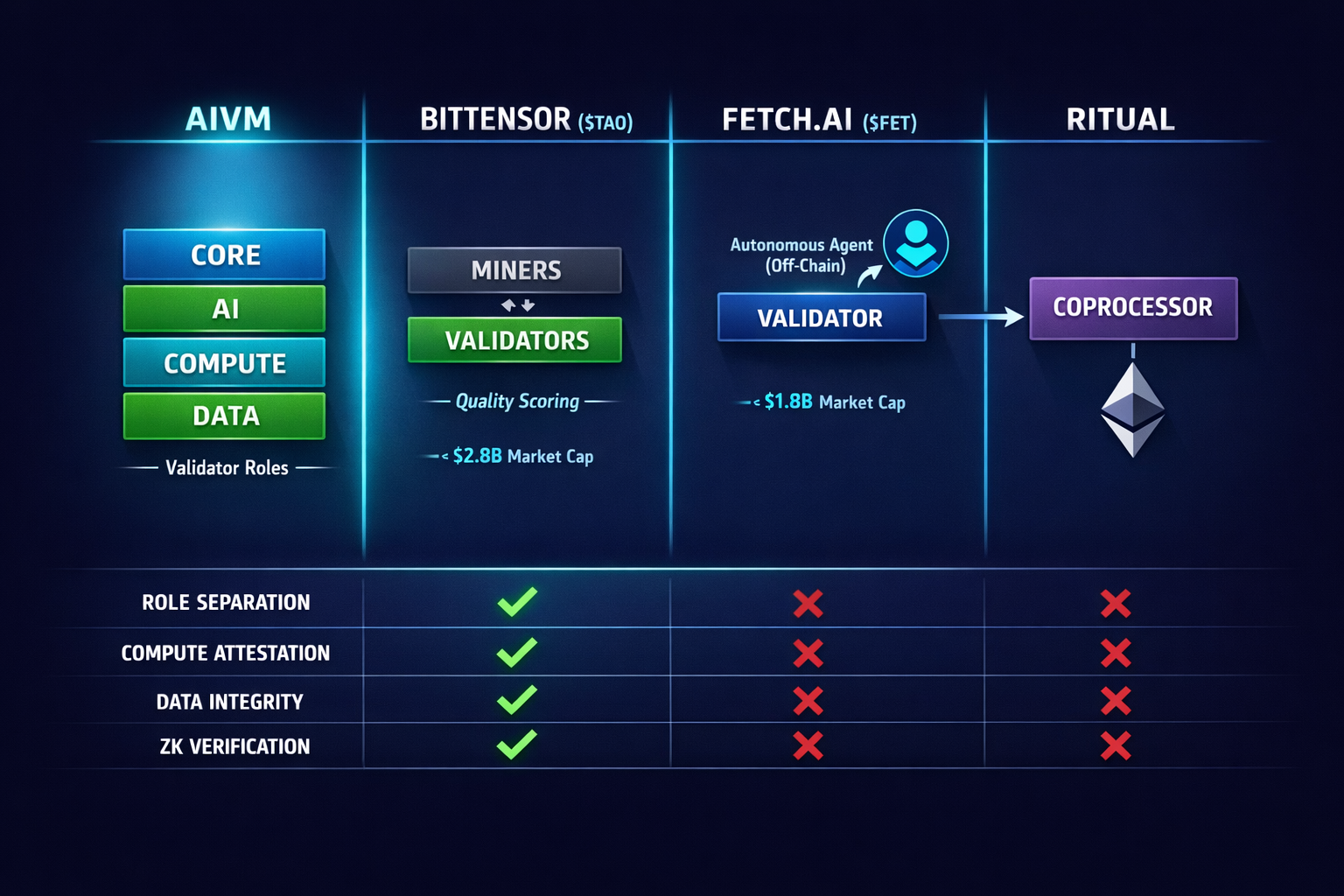
AIVM, the Layer-1 blockchain built by ChainGPT, takes a fundamentally different approach. Instead of forcing one validator type to do everything, AIVM splits validation into four specialised roles — each designed to verify a different layer of the AI stack. It's a structural decision that, as far as I can tell, no other project in this space has formalised at the protocol level.
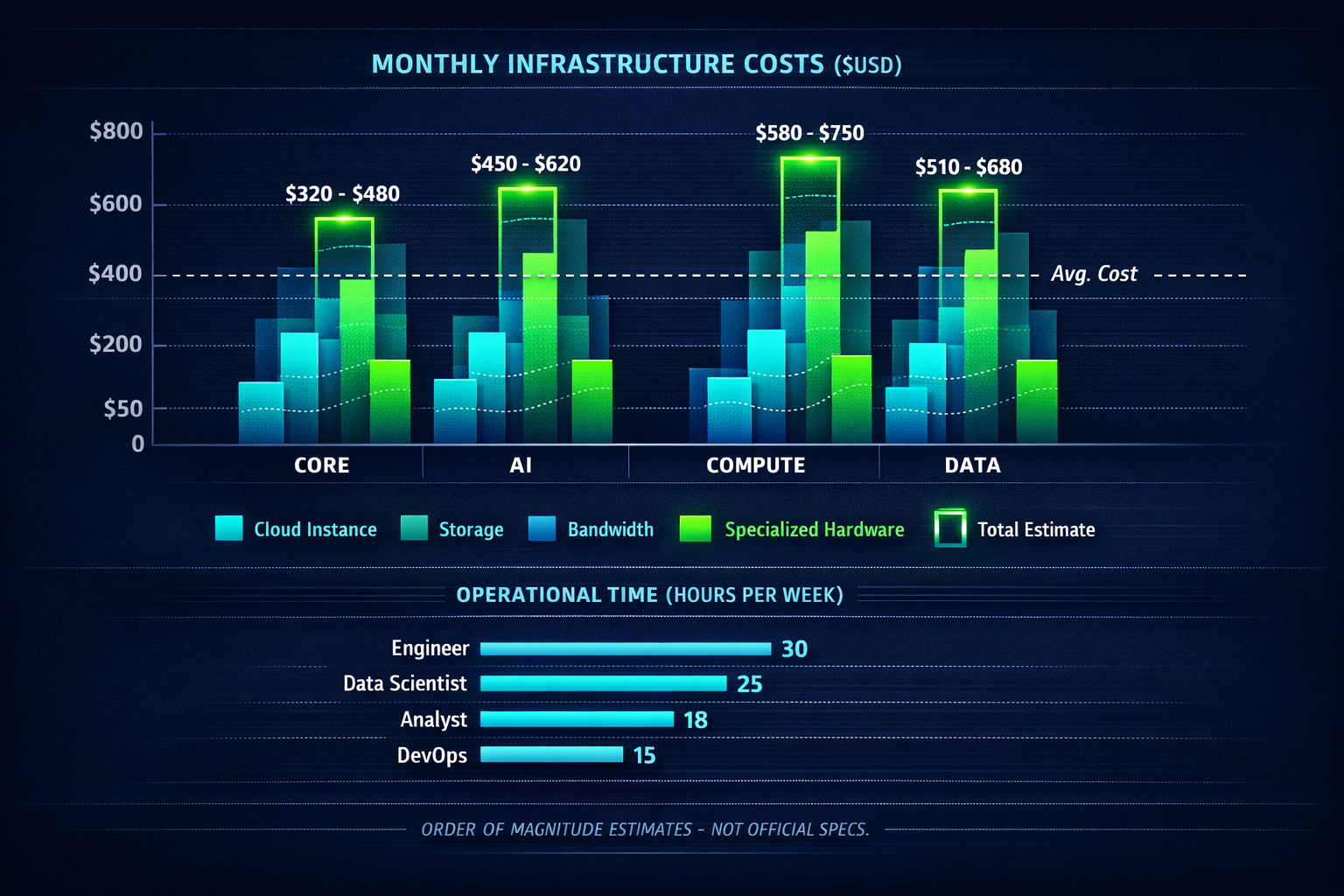
This article is a practical guide to all four validator types: what each one does, the hardware you'll likely need, the staking mechanics around $CGPT, and — critically — what's confirmed versus what's still speculative as the public testnet rolls out in Q1-Q2 2026.
Let's get into it.